
What to Expect During the Restoration Process
People seeking storm restoration typically want to repair damage quickly and safely, and local contractors can assess, restore, and secure their property efficiently.
Understanding what to expect during the restoration process can help property owners feel more prepared and confident when facing storm damage repairs. This journey often involves several key stages, including initial assessment, damage mitigation, and the eventual return to normalcy. Local contractors who specialize in storm restoration are experienced in guiding clients through each step, ensuring that the process is as smooth and transparent as possible. By familiarizing themselves with what typically occurs during restoration, property owners can better coordinate their expectations and make informed decisions along the way.
For those in the area who have recently experienced storm-related damage, exploring this topic is a practical step toward understanding how local service providers can assist. Storm restoration services often include comprehensive repairs that address both visible damage and underlying issues, helping to restore safety and stability to a property. Knowing what to expect during the restoration process can also make interactions with local contractors more straightforward, enabling property owners to feel more engaged and confident as repairs progress. Continuing to learn about this process can help ensure a smoother experience from start to finish.
- Storm damage repair - homeowners may need this work after severe weather causes roof or siding damage, and local contractors assess the extent of the damage to develop a restoration plan.
- Water intrusion mitigation - when flooding or leaks occur, local service providers identify the source of water entry and implement drying and drying techniques to prevent further issues.
- Debris removal and cleanup - storm debris can block access or cause additional damage, and local pros efficiently clear affected areas to prepare for repairs.
- Structural stabilization - after high winds or fallen trees impact a property, local contractors evaluate structural integrity and provide necessary support or reinforcement.
- Roof and exterior repairs - damaged roofing or siding from storms require prompt attention, with local pros restoring these elements to protect the property and restore its appearance.
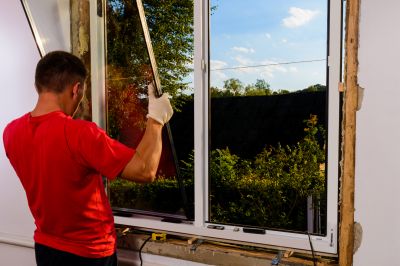

Understanding what to expect during the restoration process can help homeowners prepare for the steps involved after experiencing storm damage or property issues. Typically, this process begins with an assessment by local contractors who specialize in storm restoration. They evaluate the extent of the damage, identify necessary repairs, and develop a plan to restore the property to its pre-storm condition. Homeowners should anticipate a thorough inspection that may involve documenting damages and discussing potential solutions, which helps set realistic expectations for the scope of work ahead.
The restoration process often relates to problems such as roof damage, siding issues, window breakage, or water intrusion caused by storms. These issues can compromise the safety, security, and structural integrity of a property if not addressed promptly. Planning for storm restoration involves understanding the types of repairs needed, whether it’s replacing a damaged roof, fixing leaks, or restoring exterior surfaces. Local service providers are equipped to handle these specific problems, guiding homeowners through the necessary steps to repair and protect their homes effectively.
Properties that typically come up during storm restoration projects include residential homes, multi-family dwellings, and small commercial buildings. These properties are vulnerable to storm-related damage due to their exposure to high winds, heavy rain, hail, or fallen debris. Homeowners can expect the restoration process to be tailored to the property type, with local contractors assessing unique structural features and damage patterns. Proper restoration ensures that the property is not only repaired but also reinforced against future storms, helping to minimize ongoing risks.
Throughout the restoration process, homeowners should expect a series of coordinated efforts by local contractors to address damage, perform repairs, and restore the property’s appearance and function. This includes securing permits if needed, coordinating with insurance providers, and managing the timeline of repairs. While the process can involve multiple stages, working with experienced service providers can help ensure that each phase is handled efficiently and thoroughly. Understanding what to expect during this process helps homeowners stay informed and prepared as their property is brought back to its best condition.
Water Damage Restoration - professionals in water damage repair utilize similar assessment, drying, and cleanup techniques as storm restoration services to mitigate property damage effectively.
Roof Repair and Replacement - local contractors handling roof repairs often follow similar planning and inspection processes during storm-related restoration projects.
Structural Drying and Dehumidification - these services require specialized tools and knowledge comparable to those used in storm restoration to ensure thorough drying of affected areas.
Mold Remediation - mold removal specialists employ similar moisture detection and containment strategies as storm restoration teams to prevent further damage.
Emergency Board-Up Services - providers in this field coordinate with storm restoration experts to secure properties during the initial phases of damage response.
Insurance Claim Assistance - professionals assisting with claims often work alongside storm restoration service providers to streamline the repair process for property owners.

When evaluating local contractors for storm restoration services, it’s important to consider their experience with similar projects. Homeowners should look for service providers who have a proven track record of handling restoration work comparable to their specific needs. An experienced contractor is more likely to understand the nuances of the process, anticipate potential challenges, and deliver results that align with expectations. Checking references or seeking out reviews can provide insight into how well a contractor has managed past projects, offering reassurance that they are capable of guiding homeowners through what to expect during the restoration process.
Clear, written expectations are essential when comparing service providers. Reputable local pros should be able to provide detailed descriptions of the work involved, including the scope of repairs, materials used, and the estimated timeline. Having this information in writing helps prevent misunderstandings and sets a transparent foundation for the project. Homeowners should feel comfortable asking service providers to clarify any aspects of the process, ensuring that everyone is aligned on what will happen during each stage of the restoration.
Effective communication is a key factor in a smooth restoration experience. Service providers who prioritize keeping homeowners informed about progress, upcoming steps, and any unforeseen issues can help reduce stress and foster trust. Reputable local contractors typically maintain open lines of communication, making it easier for homeowners to ask questions or express concerns throughout the process. When comparing options, it’s beneficial to consider how well a contractor communicates, as this can significantly influence the overall experience and how well expectations are managed during what to expect during the restoration process.
Property owners often search for what to expect during the restoration process when they are planning practical projects around their homes and businesses. Local pros provide Storm Restoration services for everyday jobs and straightforward project options.
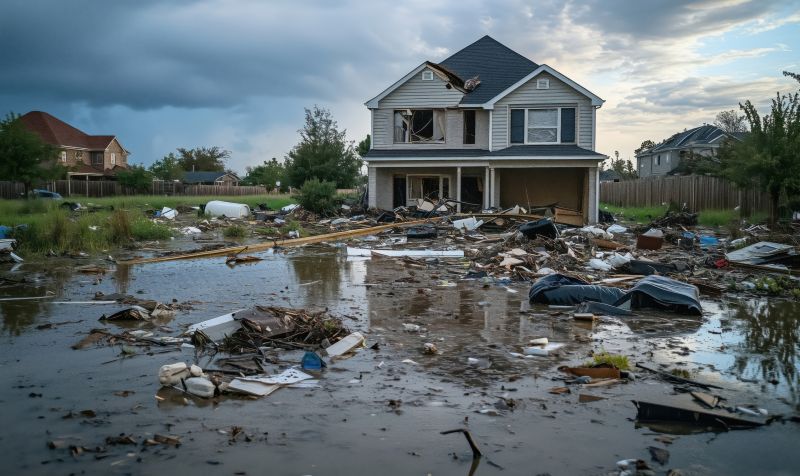
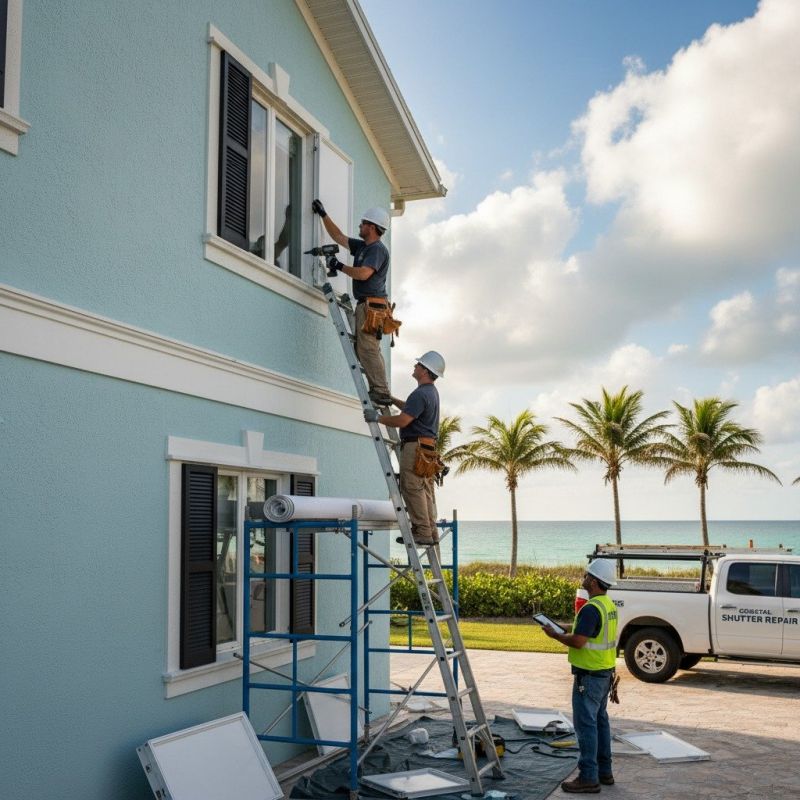
During the storm restoration process, property owners can expect a series of coordinated steps designed to repair and protect their homes or businesses. Typically, local contractors will begin with an assessment to evaluate the extent of damage caused by the storm, which helps determine the necessary repairs. This initial phase often involves securing the property, removing debris, and addressing any immediate safety concerns. As the work progresses, homeowners may notice temporary measures like tarps or boarding to prevent further damage while permanent repairs are planned and implemented. Throughout this process, communication with service providers is common, providing updates and clarifications about what to expect during the restoration.
Understanding what to expect during the restoration process can help property owners feel more prepared for the work involved. Commonly, local service providers will coordinate various tasks such as repairing roofs, replacing damaged siding, and restoring structural integrity. It’s also typical to see a series of inspections and quality checks to ensure repairs meet safety and durability standards. During these stages, property owners might encounter disruptions like noise, dust, or limited access to certain areas, but these are usually temporary. Connecting with experienced local contractors can provide clarity and reassurance, ensuring the restoration work is handled efficiently and in accordance with local standards.
What happens during the restoration process after storm damage? During storm restoration, local contractors typically assess the damage, secure the property, and begin repairs such as roofing, siding, and water mitigation to restore the home to its pre-storm condition.
How do local service providers handle storm-related repairs? Local contractors usually start with an inspection to determine the extent of damage, then proceed with necessary repairs or replacements, keeping the property protected throughout the process.
What should I expect when the restoration work begins? When restoration work starts, you can expect the contractors to set up equipment, communicate the scope of work, and work systematically to repair or replace damaged areas efficiently.
Will there be disruptions during the restoration process? Some disruptions, such as noise or temporary obstruction, are common, but local pros aim to minimize inconvenience and keep the work area safe and organized.
What is the typical sequence of steps during storm restoration? The process generally involves damage assessment, securing the property, repairs or replacements, and final inspections to ensure everything is restored properly by local service providers.
Initial assessment - Local contractors will evaluate storm damage to identify affected areas and determine necessary restoration steps for your property.
Damage containment - Pros may set up temporary measures to prevent further damage while planning the restoration process.
Restoration planning - Service providers can help develop a clear plan to restore your property’s structure and appearance efficiently.
Material selection - Professionals will recommend suitable materials to ensure durable repairs that match your property’s needs during the process.
If you are thinking about what to expect during the restoration process for a property, this guide is meant to help you understand this topic, the typical project types, and how different options might fit your plans.
When you are ready, you can use the quote form on this page to share a few details about your project. From there, local pros can review the basics and follow up with options that match what you have in mind.